
A strong harmony is not just a copy of the main melody. It follows the chord, supports the lead, and adds depth where the song needs it.
Why Your Vocal Harmonies Don't Sit Right (And How to Fix That)

If you have ever tried to add a harmony and ended up singing what is basically the lead melody again, just slightly off, you are not alone. It is one of the most common problems singers and producers run into, and it has very little to do with ability.
The issue is that your brain locks onto the lead vocal and follows it automatically. Breaking that habit is step one toward building harmonies that actually work in a song.
In this guide, we cover what goes wrong, the techniques that actually work, and how to get your harmonies sounding polished from start to finish.
Harmony Is Not a Higher Version of the Same Melody
Think of a harmony like a supporting actor in a film. Its job is not to repeat the lead's lines. It is there to give the lead more context, more weight, more presence.
A harmony has its own shape. It moves through the song independently, but always in relation to the chord underneath. That last part is the key thing most people miss.
The Problem With "Just Sing a Third Above"
Most singers learn early on that a harmony lives a third or fifth above the lead vocal. That is useful as a starting point. But it breaks down quickly.
Here is a simple example. Say your melody lands on the note E, and the chord underneath is an A minor chord (which contains A, C, and E). A major third above E is G-sharp. But G-sharp is not in an A minor chord. It clashes, and the harmony sounds off even though the interval is technically correct.
The more reliable approach: ask yourself what notes are in the chord at that moment, then choose a harmony note that belongs there.
This is why producing good harmonies involves trial and a bit of ear training. The third-above rule often works, but understanding the chord underneath is what makes it work consistently.
When and where to use Harmonies
Here is one of the most common questions from singers and producers. Should harmonies run through the whole song, or only in certain sections?
The answer is almost always: certain sections.
Harmonies are most effective when they create contrast. When they appear throughout a song without restraint, they lose their impact.
- A widely held principle among vocal coaches and production educators
Think of harmonies the way you think about a key change. When everything sounds the same throughout a song, the listener stops noticing. Harmonies hit hardest when the listener has not yet been hearing them.
Practical placements that consistently work:
- Reserve the main harmony stack for the chorus, where the song opens up
- Use a single harmony line on a key phrase in the verse to draw attention to it
- Build more voices into the final chorus or outro for a sense of escalation
- Add a tight harmony on the last word of a phrase to give it extra landing weight
A quick test: mute your harmonies. If the song suddenly feels empty, they are working. If nothing changes, they might not need to be there at all.
How to Build a Layered Vocal Sound
Queen recorded "Bohemian Rhapsody" by stacking dozens of individual vocal takes on top of each other. What you hear as one full, resonant sound is dozens of layered passes treated as a single instrument. It's widely documented in production guides that modern pop vocals are often tripled, quadrupled, or recorded even more times before the producer starts shaping the stack.
You do not need dozens of takes. You need at least two, and you need to treat them with intention.
Step 1. Record the harmony twice.
Sing the same harmony line two separate times. Keep your pitch and timing as consistent as you can, but do not stress about matching them perfectly. Small natural differences between takes are what give the stack a sense of life and width.
Step 2. Pan the two takes apart.
Take one pass and nudge it slightly left. Take the other and nudge it slightly right. Even a modest spread, around 60% out from the center, creates a sense of space that a single track sitting dead-center cannot replicate.
Step 3. Keep each layer clean before stacking.
A shaky performance does not improve when you layer it. The pitch problems just multiply. Commit to each individual take before adding the next one.
Step 4. Add a third layer for your biggest moments.
For the final chorus or a key hook, record a third pass. Keep it centred or split it symmetrically with the other two. Three layered passes panned across the stereo field is often the point where the stack stops sounding like a home recording.
Stacked Harmonies Often Sound Cluttered
Once you have multiple harmony tracks running, a new problem tends to appear: the mix gets crowded and the lead vocal starts to disappear into it.
The fix is to treat your backing vocals as a single group rather than separate individual tracks.
Route all your harmony tracks to one stereo bus. Balance them against each other within that bus, then process the group together. A few things that help in that group. Three things on that group channel make the biggest difference:
High-pass EQ cut at around 200Hz.
Backing vocals rarely need the low end. Cutting it frees up space for the bass, kick drum, and lead vocal without removing any warmth that matters. This is standard practice at mixing level, recommended by engineers across Waves, Streaky, and production guides from leading DAW communities.
Gentle compression on the group.
A light compressor on the bus makes the harmonies feel like one cohesive texture rather than several separate voices. Use a medium attack so the natural transients still come through.
Volume relationship.
The harmony bus should sit noticeably below the lead vocal. When the harmonies are too loud, the listener's ear moves away from the main vocal and the song loses focus.
Your Stack Is Built. Now It Needs to Sound Like a Record.
Once the harmonies are arranged, layered, mixed, and balanced, it is worth doing a quick check on how the stack translates. A mix that sounds clear in your session can feel narrower or less defined when played on a phone, a Bluetooth speaker, or earbuds, the kinds of playback environments most listeners actually use.
One useful step here is running the finished track through a mastering pass before exporting. handles this online without needing any plugins or DAW setup — you upload the mix and work through a handful of controls that cover the most common translation issues:
Mastering intensity

Start with a small nudge upward. The goal is not loudness — it is presence. A subtle increase brings the vocal stack forward without squashing the dynamics you built in the mix.
Stereo imaging
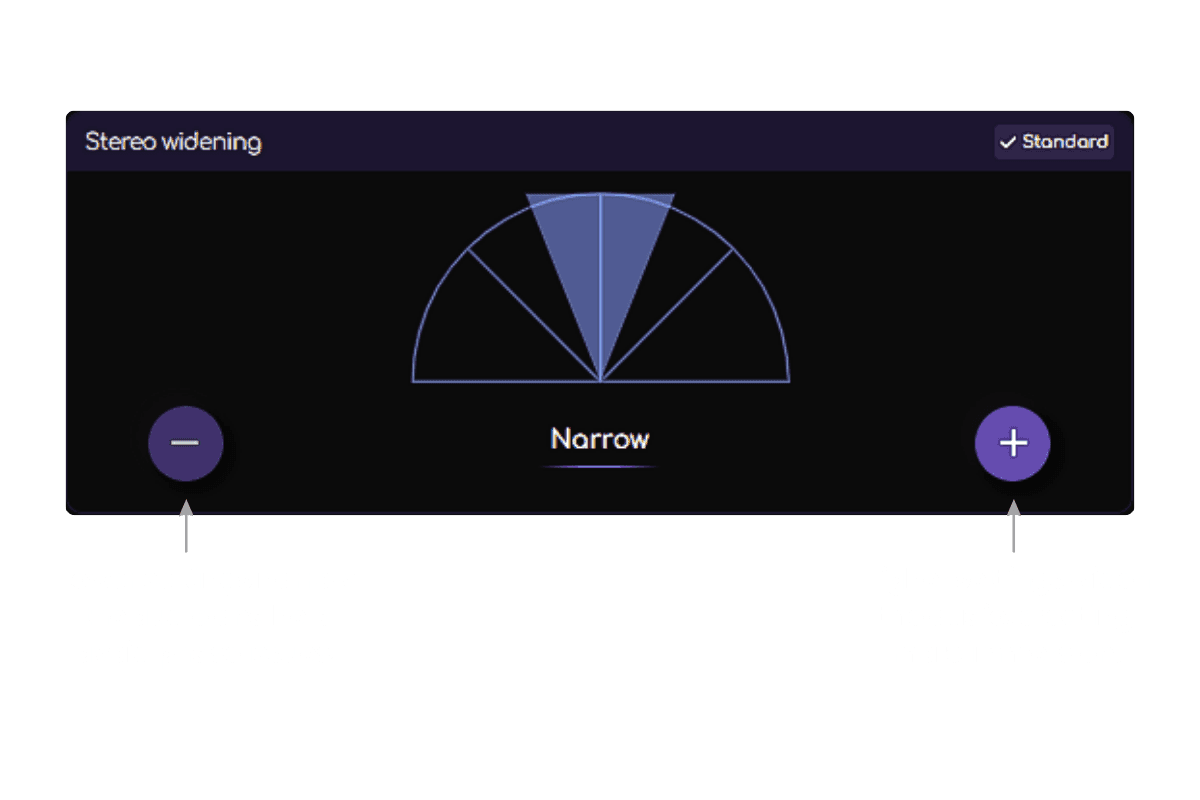
Check how wide the stack sounds on a single speaker or in mono. If it collapses noticeably, a small adjustment here restores the sense of space. This tends to be the setting that makes the biggest audible difference on consumer playback devices.
Noise reduction
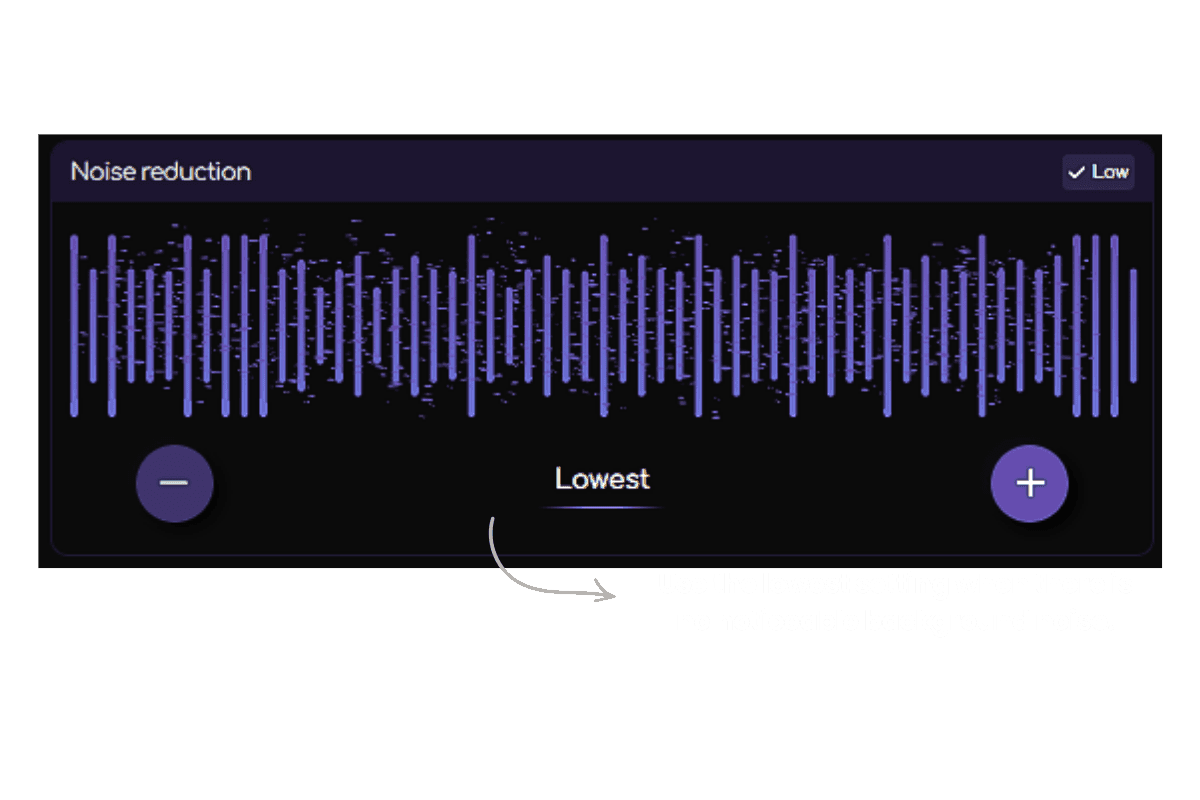
If the recording has any room noise or mic hiss, apply this conservatively. A light pass removes the obvious artefacts; pushing it further starts to thin out the vocal texture, which tends to do more harm than the noise itself.
Equalization
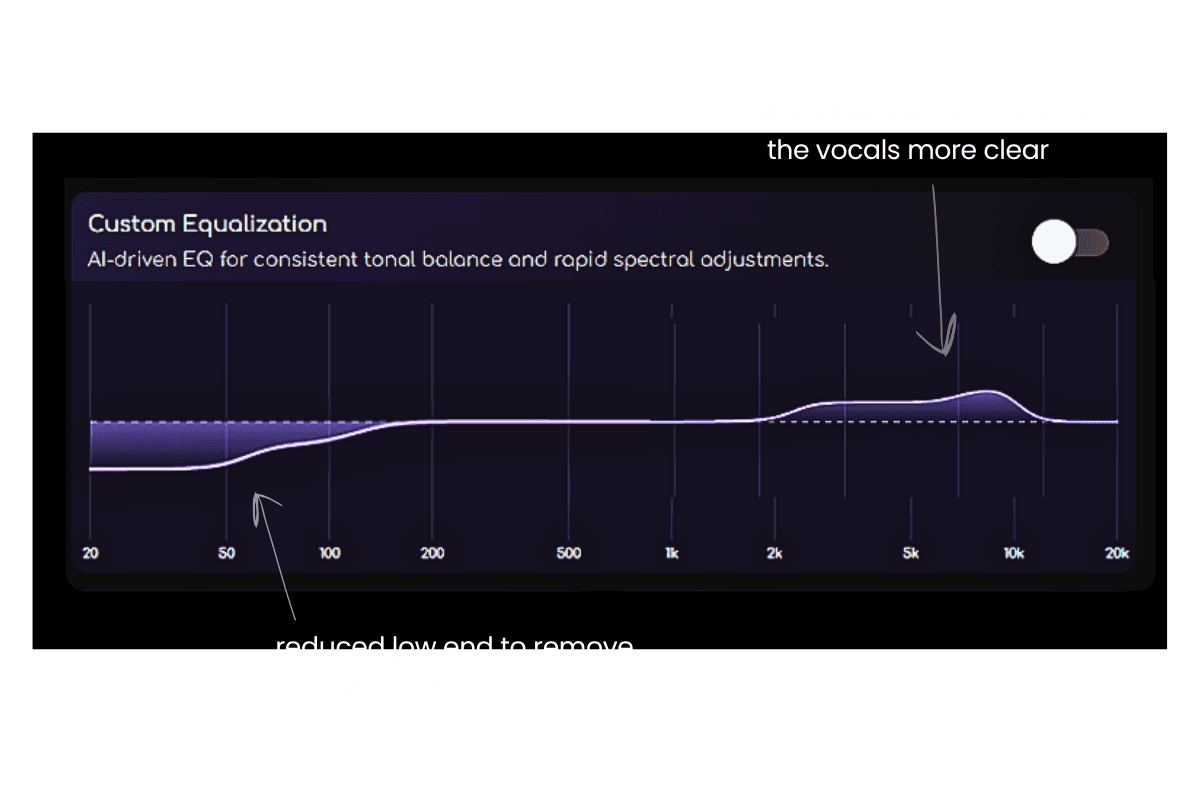
An automated EQ pass identifies any obvious frequency imbalances and addresses them across the stack. If you notice something specific like muddiness in the low mids, harshness around 3–5kHz — the manual controls let you target those areas directly rather than relying on the automatic reading.
Export at the highest available quality

Export at the highest available setting. The arrangement, layering, and mix decisions you made earlier are all still there — this final pass just ensures they come through cleanly wherever the track ends up playing.
The whole process takes a few minutes and requires no mastering experience. It is simply the last practical step before sharing a harmony stack that was built with care.
Frequently Asked Questions
What are vocal harmonies in music?
Vocal harmony is when two or more voices sing different notes at the same time that sound good together. Think of it as the lead vocal being the main character, and the harmony being the supporting voice that makes it sound fuller and more complete.
What are the 5 types of vocals?
• Soprano — the highest female voice
• Mezzo-soprano — mid-range female voice, warmer than soprano
• Alto — the lowest female voice, rich and deep
• Tenor — the highest male voice
• Bass — the lowest male voice, full and grounded
(Baritone sits between tenor and bass and is worth knowing too.)
How do I harmonize my vocals?
Start by knowing what chord is playing at that moment. Then pick a note that belongs to that chord — not just any note that is higher or lower than the melody. Sing it, record it separately from the lead, and keep your pitch steady. That is the core of it. Everything else is refinement.
How to identify vocal harmonies?
Listen for a second voice sitting above or below the main melody. If you can hear the lead vocal clearly but also sense another voice giving it body or warmth, that is a harmony. Try listening with headphones and focusing on just the left or right channel — harmonies are often panned to one side, which makes them easier to isolate.