
Compression is supposed to make your audio more controlled, so why does it so often make it feel smaller, flatter, or somehow quieter?
Why Your Audio Sounds Flat After Compression
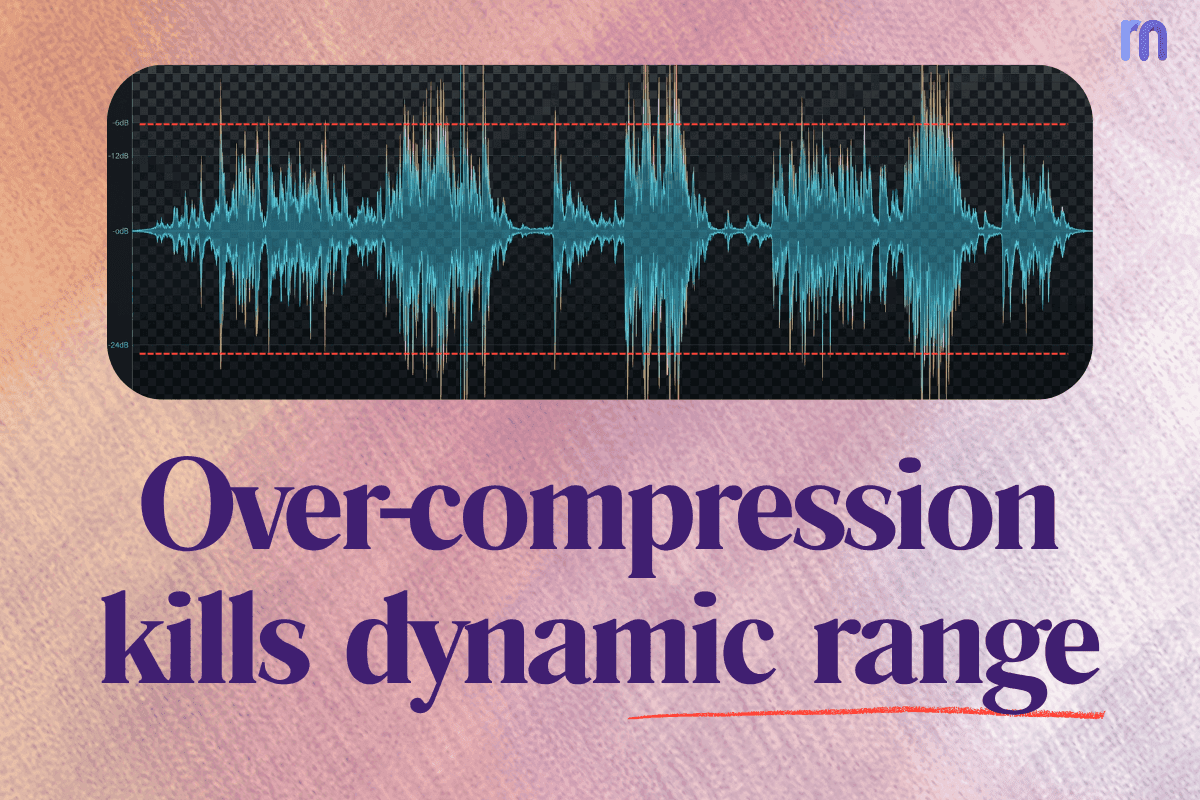
When a photographer lifts the shadow slider too far in editing, something counterintuitive happens. The photo gets technically brighter, but it looks worse. The contrast that gave it depth disappears. The shadows that created the mood get neutralized. The image is "corrected," but it reads as flat.
Over-compression in audio works the same way. You process the track to improve it, and end up with something that sounds smaller than when you started. Understanding why that happens — and how to avoid it — starts with understanding what compression actually does.
What Compression Actually Does
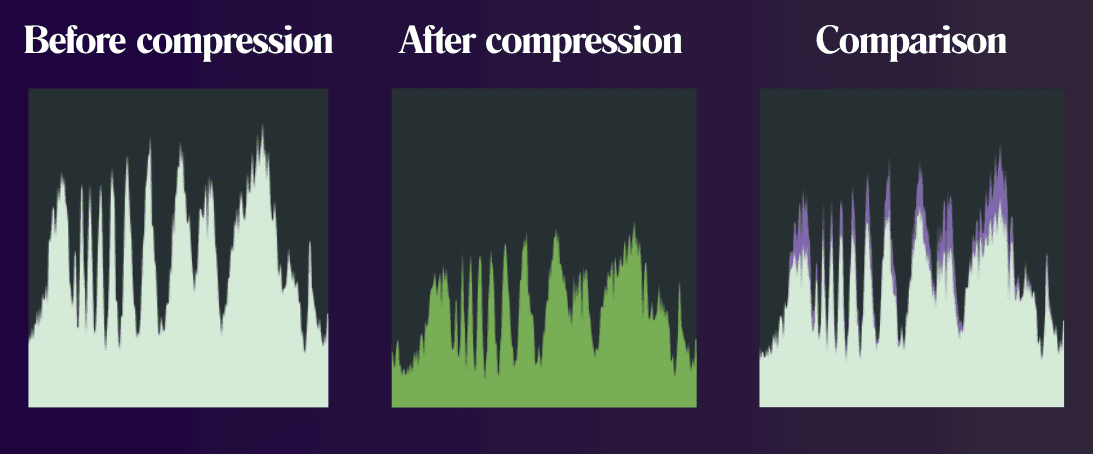
At its core, compression reduces dynamic range so the volume feels more consistent overall.
When a vocalist hits a powerful high note, that moment is significantly louder than the rest of the take. Compression gently controls that peak, which helps bring the whole performance into better balance. The result is a more even, consistent track that sits well in a mix without any single moment overpowering everything else.
What is Audio Dynamic range?
Dynamic range is the difference between the quietest and loudest parts of an audio signal.
Used carefully, that's a useful thing. The problem comes from using too much of it.
How Over-Compression Flattens Your Sound
Think about what makes a great live performance feel exciting.
The quiet moments feel close and intimate. The loud moments hit you in the chest. That push and pull, the rise and fall, is what gives music its energy.
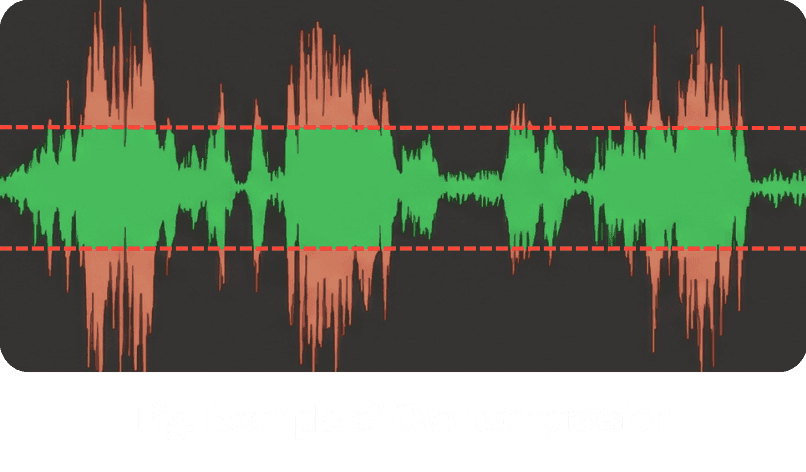
Over-compression eliminates exactly that contrast.
- Drums can lose their snap and punch; the kick and snare may start to feel soft and indistinct
- Guitars and keys often start to lose their attack, making chords feel muddy rather than defined
- Vocals lose presence and sit back in the mix instead of cutting through it
This is why a heavily compressed track can feel quieter even after you have made it technically louder. Without peaks, there is no contrast. Without contrast, there is nothing for the listener to measure loudness against, and the whole track flattens out.
Why So Many Producers Over-Compress
Listeners almost always prefer the louder of two identical mixes, even when the gap is just two to three decibels. That instinct pushed producers into an arms race for decades — compressing their masters harder and harder to compete. The industry came to call it the Loudness War, and it had real consequences.

Metallica's 2008 album Death Magnetic became the most talked-about example: the CD was so heavily compressed that fans preferred the Guitar Hero version, which used a less processed master, and publicly petitioned for a re-release.
What ended the race was streaming. Spotify, Apple Music, and YouTube all normalize loudness automatically, pulling down any track that comes in above their targets:
- Spotify normalizes to -14 LUFS
- YouTube is widely estimated to normalize to -14 LUFS
- Apple uses Sound Check to normalize loudness.
“ We never tried to make it loud, and I think it sounds better for it. ”-Mick Guzauski
That is how producer Mick Guzauski described the thinking behind Random Access Memories, Daft Punk’s 2013 album, which is often praised for its depth, clarity, and dynamics.
What Good Compression Actually Looks Like
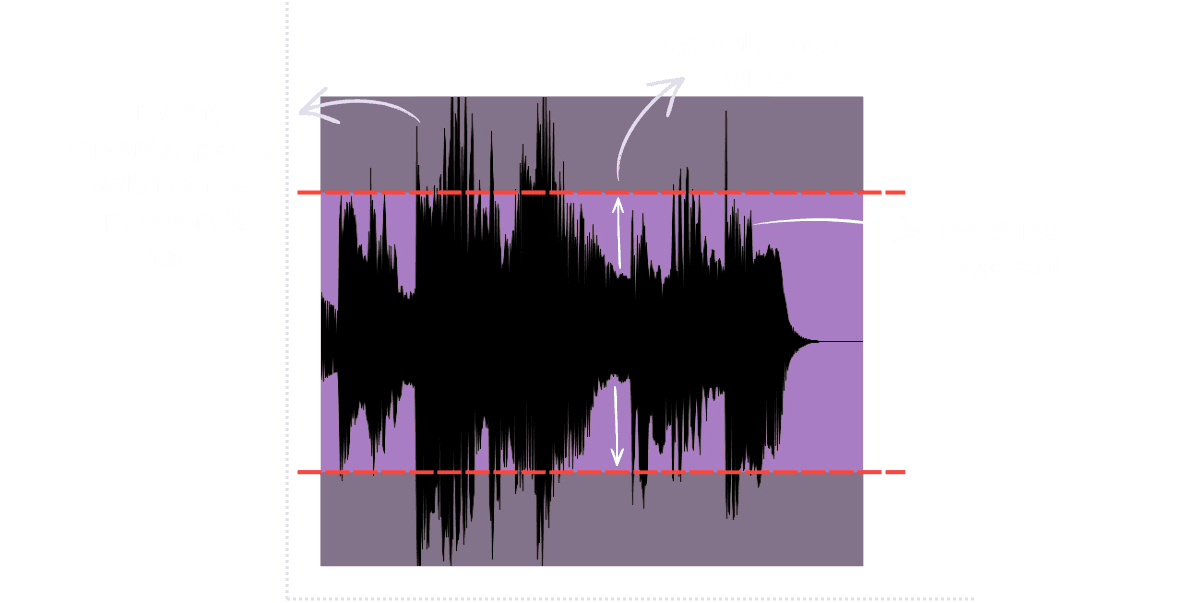
Professional mastering engineers treat compression as a finishing tool, not a shaping one. In practice, that roughly includes:
- Ratio: 1.5:1 or lower — the compressor barely touches the signal
- Gain reduction: 1 to 2 decibels at most
- Goal: to feel the effect rather than hear it
The result is a track that still has a genuine difference between its quiet and loud moments. The chorus hits harder than the verse. The drop lands. Vocal phrases carry weight and presence.
That sense of build and release is what listeners are responding to when a track connects with them. Preserving it is what separates a polished master from a flat one.
Getting That Balance Without the Guesswork
The line between light compression and too much is narrow, and there is no obvious signal when you have crossed it. Ears adjust as you work, which means over-compression often creeps in gradually. By the time something feels off, it can be difficult to identify where the problem started.

Remasterify was built around this problem. Its AI engine analyzes your track and applies processing calibrated to your genre and mix — targeting the right loudness level for streaming without stripping the audio dynamics out. A mastering intensity control lets you adjust how much the engine does, so the final result fits your sound rather than overriding it.
The output is a master that sounds full and loud without the peaks being stripped out. The kind of track that holds up on headphones, phone speakers, and streaming platforms alike.
Frequently Asked Questions
Does over-compression affect all genres the same way?
No. Dynamic genres like jazz or acoustic folk suffer the most since contrast is core to how they feel. Even electronic and hip-hop lose energy when pushed too hard.
What's the difference between compressing during mixing vs. mastering?
Mix compression targets individual elements like vocals or drums. Mastering compression hits everything at once, so mistakes affect the whole track. That's why restraint at the mastering stage matters more.
Can an over-compressed track be recovered?
Partially. Once peaks are gone, they can't be fully restored. Re-mastering from your original mix file always gives the best results — so always save your session files.
How do I know if my track has been over-compressed?
Compare it to a reference track in the same genre, if yours feels smaller at the same volume, dynamics are likely the issue. You can also check the waveform: a healthy master has visible peaks and valleys, not a flat brick wall.