
More control does not always mean a better master. Sometimes, a strong stereo mix only needs the right final polish.
Stem Mastering: When Do You Actually Need It?
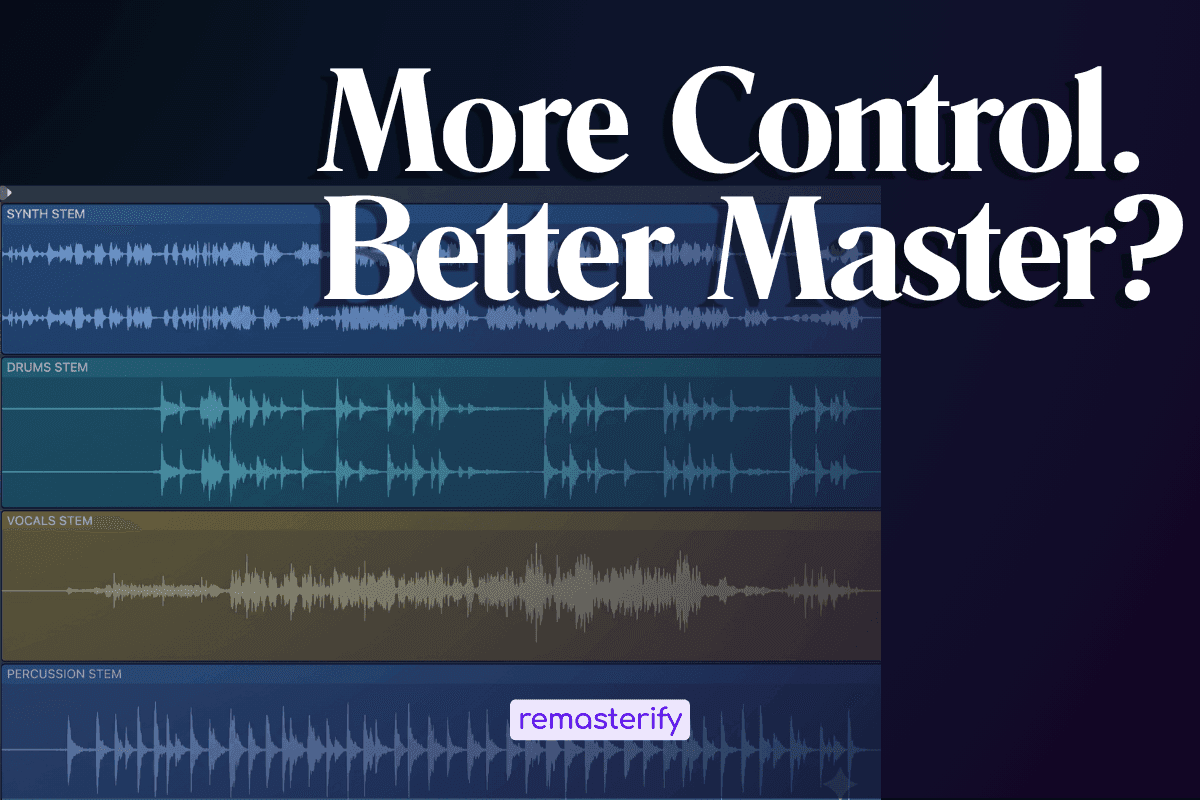
Once the mix is finished, the next question is often whether to master from a stereo file or send stems. Stem mastering gives more control, but that does not always mean it is the better choice. So, what is the real difference, and when do stems actually help?
Let's slow down and actually answer that.
First, what does mastering actually do?
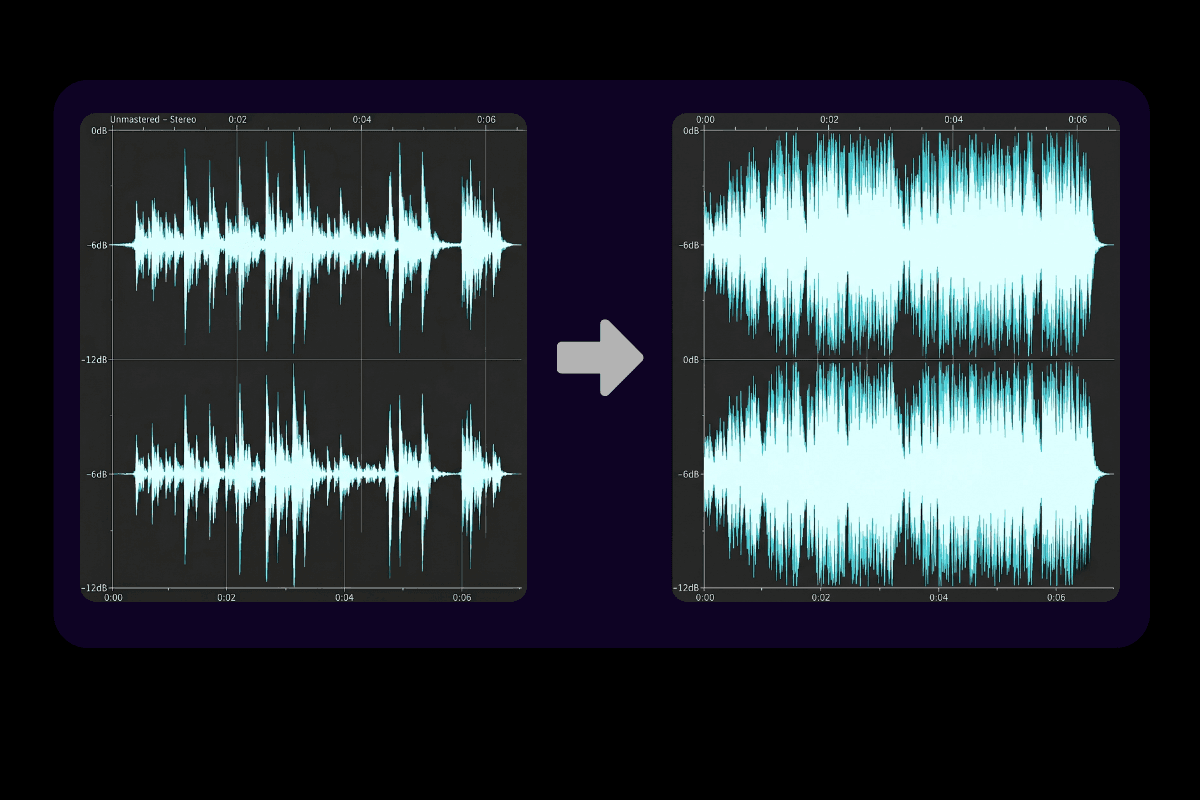
When you finish a mix, you have one stereo file. That's your song, bounced down to two channels. Mastering is the step that takes that file and prepares it for the world for streaming, for radio, for club speakers, for earbuds. A mastering engineer shapes the overall tone, controls the loudness, and makes sure the track sits well on every playback system.
It's not about fixing big problems. It's about the last 5 to 10 percent, the polish that makes a good mix sound complete.
Think of it like editing a photo. The shot is already taken; the editor is adjusting brightness, contrast, and detail, not reshooting the scene.
So, what is Stem Mastering, exactly?
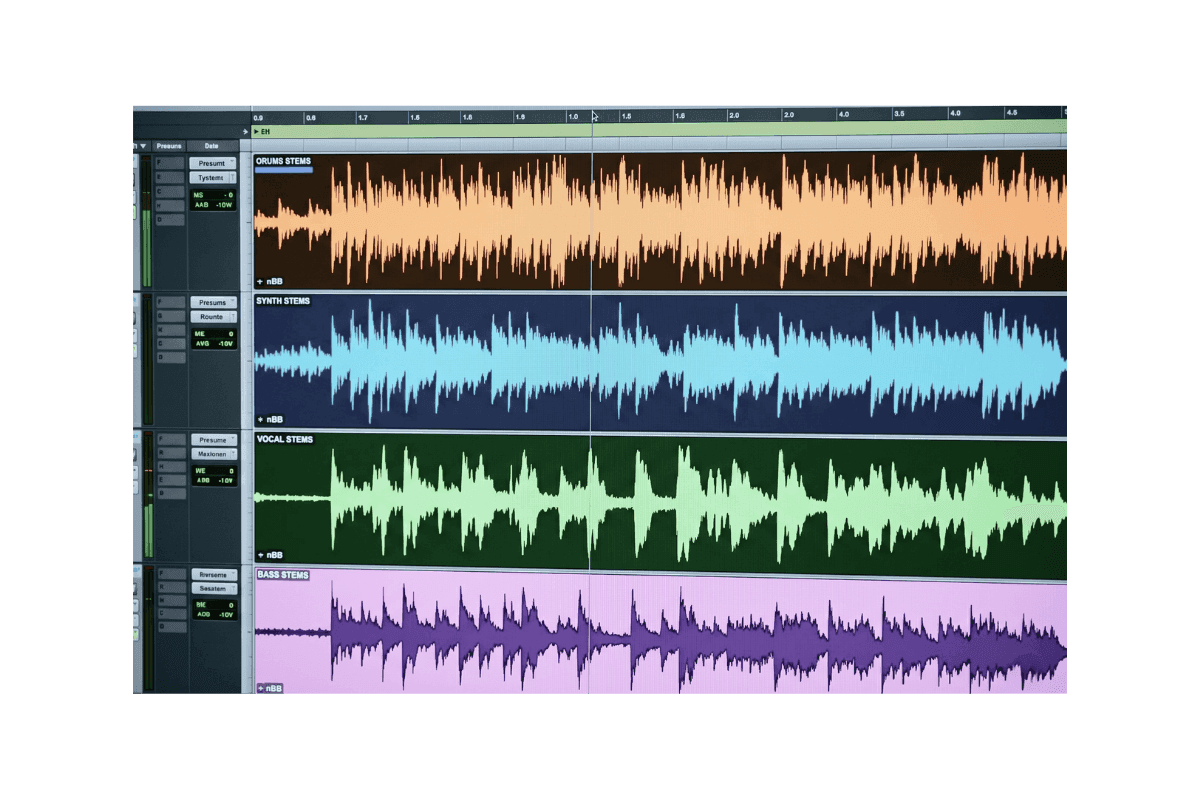
Stem mastering works with grouped audio files instead of a single stereo bounce. Rather than handing the engineer one file, you export several groups: drums, bass, vocals, synths, and so on. The mastering engineer then processes those elements with more individual control than a stereo file allows.
For example, if the drums are sitting slightly too hot in the final mix, stem mastering gives the engineer a precise way to address it without disturbing anything else. For complex low end, like an 808 and sub-bass competing, that extra control can help the master sit right.
In the right circumstances, stem mastering is exactly the tool the track needs.
The grey zone nobody talks about
Here’s where it gets nuanced. Once a mastering engineer starts making balance decisions between stems — pulling the vocal down, brightening the drum group, tightening the low end of the bass — the work starts to look a lot more like mixing than mastering. That’s not a criticism; it’s just an honest description of what’s happening.
Stem mastering is genuinely powerful. But it’s most useful when the mix has a specific problem that can’t be addressed any other way — not as a default upgrade for every track.
The risk is that stem mastering gets treated as a premium tier rather than a targeted solution. Producers send stems because it sounds more professional, or because they assume that more control always means a better result. Sometimes it does. But a well-executed stereo master, applied to a mix that’s genuinely ready, is just as capable of sounding exceptional. And it keeps the engineer focused on the job mastering is actually supposed to do.
How to know which approach your track needs
The honest answer starts with the mix. A stereo master is almost always the right call when:
- The mix is balanced. No single element is dominating or fighting for space
- The tone translates consistently across different playback systems
- The mix does not require separate correction for drums, vocals, bass, or other groups
Stem mastering becomes the stronger choice when there’s a specific, identifiable problem in the mix that can’t be fixed by going back into the session:
- A low-end build-up happening between elements that can’t be separated in a stereo bounce
- A vocal level that shifts the perceived balance of the entire track
- A frequency conflict that only becomes apparent in the combined bounce
A useful way to think about it: if you can describe the problem clearly (“the kick is too loud relative to everything else”), stem mastering can probably address it. If the issue is more general (“it just doesn’t sound quite right”), going back into the mix session is almost always the more effective fix.
What great mastering actually delivers
Good mastering enhances what's already there. It doesn't rebuild it. A track that goes into mastering sounding 90% right should come out sounding like the best version of itself, not like a different song.
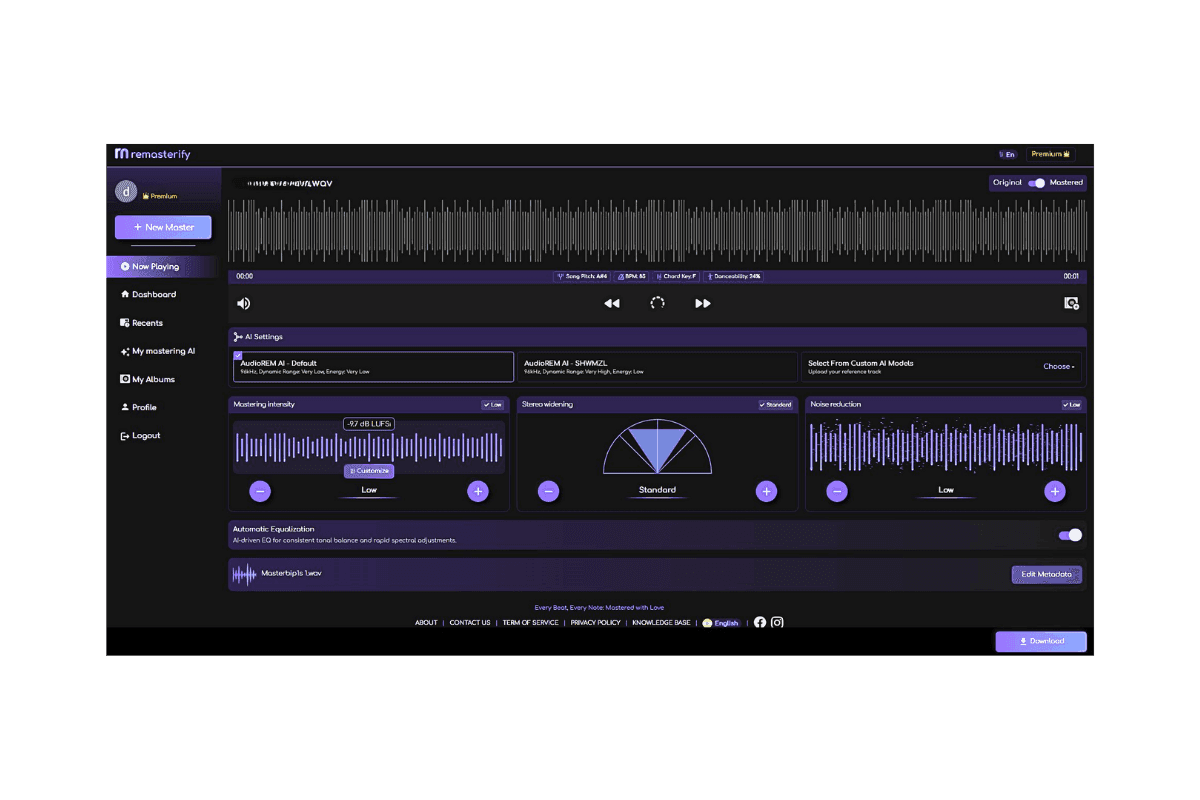
Remasterify helps close the gap between a mix that sounds done and a track that feels ready to release. It works from the full stereo track, analyzes the audio, and applies mastering based on what the mix needs. Instead of treating every song the same way, it adjusts the processing around the track’s energy, tone, and genre.
If your mix does not need separate drum, vocal, or bass correction, Remasterify gives you a faster way to hear how release-ready your stereo master can sound.
It also gives control over mastering intensity, so the result can stay close to your sound instead of feeling overprocessed. The point is simple: when the mix is done well, the master should help it translate better, not turn it into something else.
The short answer
Stem mastering is a valuable tool. So is a well-executed stereo master. The question isn’t which one is better in the abstract; it’s which one is right for the track in front of you.
If your mix is solid and the balance feels right, a clean stereo master is almost always the cleaner path. If there’s a specific problem that the mix session can’t fix, stem mastering exists precisely for that situation.
Either way, the mix is the thing. Get that right first, and the mastering process, whatever form it takes, will do what it’s supposed to do.
Frequently Asked Questions
What is a stem in a DAW?
A stem is a grouped audio export from your DAW. Instead of exporting every single track separately, you export related tracks together, such as all drums as one stem or all vocals as one stem.
What is the difference between stereo and stem mastering?
Stereo mastering uses one final stereo file of your full mix. Stem mastering uses separate grouped files, such as drums, bass, vocals, and instruments, giving the engineer more control over specific parts of the track.
How to prepare for stem mastering?
Export your stems from the same starting point, keep all effects that are part of the sound, avoid clipping, and label each file clearly. For example: Drums, Bass, Lead Vocal, Backing Vocals, Music, and FX.
Should I choose stem mastering or stereo mastering?
Choose stereo mastering if your mix already feels balanced. Choose stem mastering if there is a specific issue, like vocals too loud, drums too harsh, or low-end elements clashing.
How many stems should I send for stem mastering?
Usually, send 4 to 8 clear groups, such as drums, bass, vocals, instruments, effects, and backing vocals. Too many stems can turn the process into mixing instead of mastering.
Bring Out the Best in Your Mix
Hear how Remasterify can turn a balanced stereo mix into a cleaner, release-ready master.