
Making a great album and making a great-sounding album are two different things. Most artists nail the first one. The second one is where things get tricky.
The Step That Makes Your Album Sound Cohesive and Professional

I've seen this happen to talented artists: great songs, solid mixes. But the moment you switch songs in the album, something feels off. The volume jumps between tracks, the tone keeps shifting, and the whole thing just doesn't hold together the way you imagined it would.
Mastering is the step that fixes all of that. It's what turns a collection of songs into one complete, professional record. And if you're serious about your album, it's the one step you can't afford to skip.
What is Album Mastering?
Before we get into album mastering, let's quickly look at what mastering actually is. Mastering is the final step in music production, it comes after recording and mixing. When you mix, you're balancing the sounds within a single track: the drums, the vocals, the guitar. Mastering steps back from that. It polishes the overall sound and prepares the track for distribution.
Now, when you apply that same process across an entire album, that's where album mastering begins.
The award-winning engineering team at Abbey Road Studios described it well. Mastering, they said, is about bringing the listener closer to the emotional content of the music. It's about creating a cohesive thread throughout an album and a seamless flow from start to finish. So, the goal is simple: make the whole album feel like one piece, not a scattered collection.
Is it even Necessary to Master an Album?
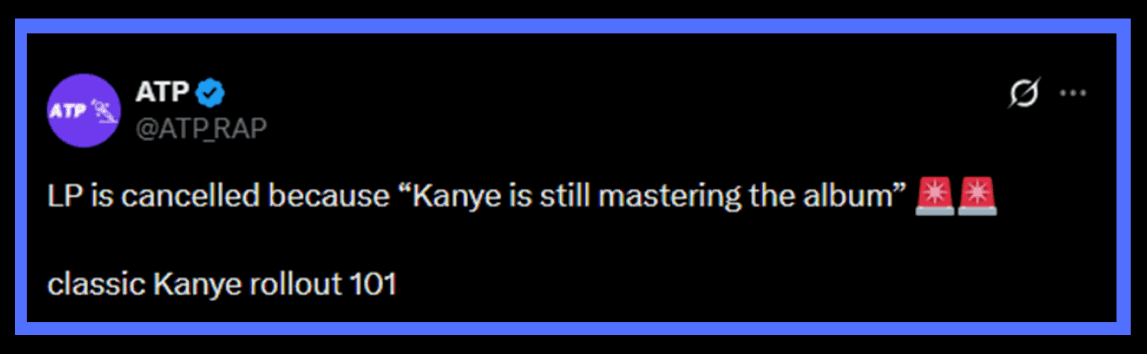
-Kanye delaying his album for mastering shows how crucial that final step is-
In most cases, yes.
Even well-mixed tracks can feel disconnected when placed side by side. Album mastering addresses that gap.
Consistency across tracks
Albums are rarely produced in identical conditions. Songs are recorded on different days, with different creative decisions, and sometimes even in different environments. Those variations show up when tracks are played sequentially.
Mastering helps reduce those differences, giving the album a more unified tonal character.
Loudness matching between songs
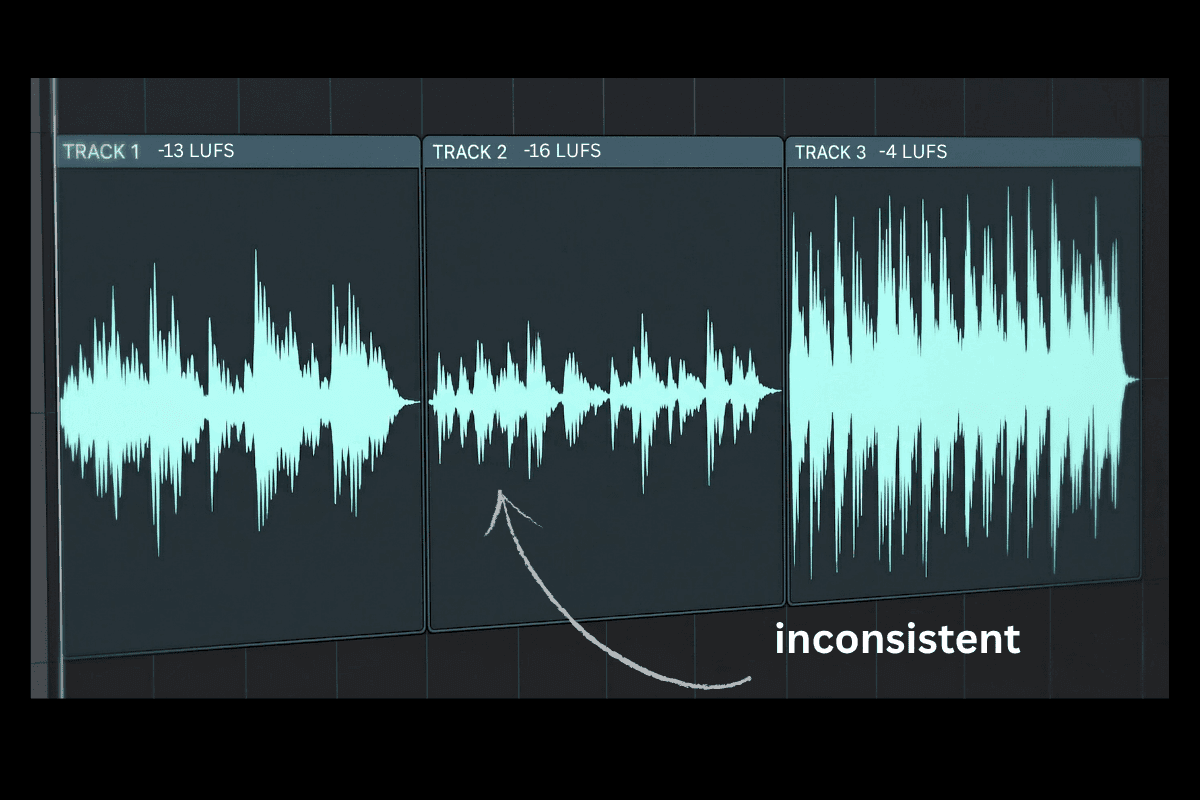
Perceived loudness can vary significantly from one track to another — even when peak levels look similar.
Streaming platforms today apply loudness normalization (commonly around -14 LUFS), which means tracks that are too loud or too quiet get adjusted during playback. Without proper mastering, this can make some songs feel weaker or less impactful than others.
A consistent loudness approach during mastering helps avoid that problem and ensures smoother playback across platforms.
Cohesion keeps listeners around
Listeners engage longer with albums that feel complete. When an album flows naturally, people are more likely to listen all the way through, come back to it, and share it. A disjointed album — no matter how strong the individual songs — rarely gets that kind of response.
How Serious Artists Actually Do It
1. Master all tracks in one session
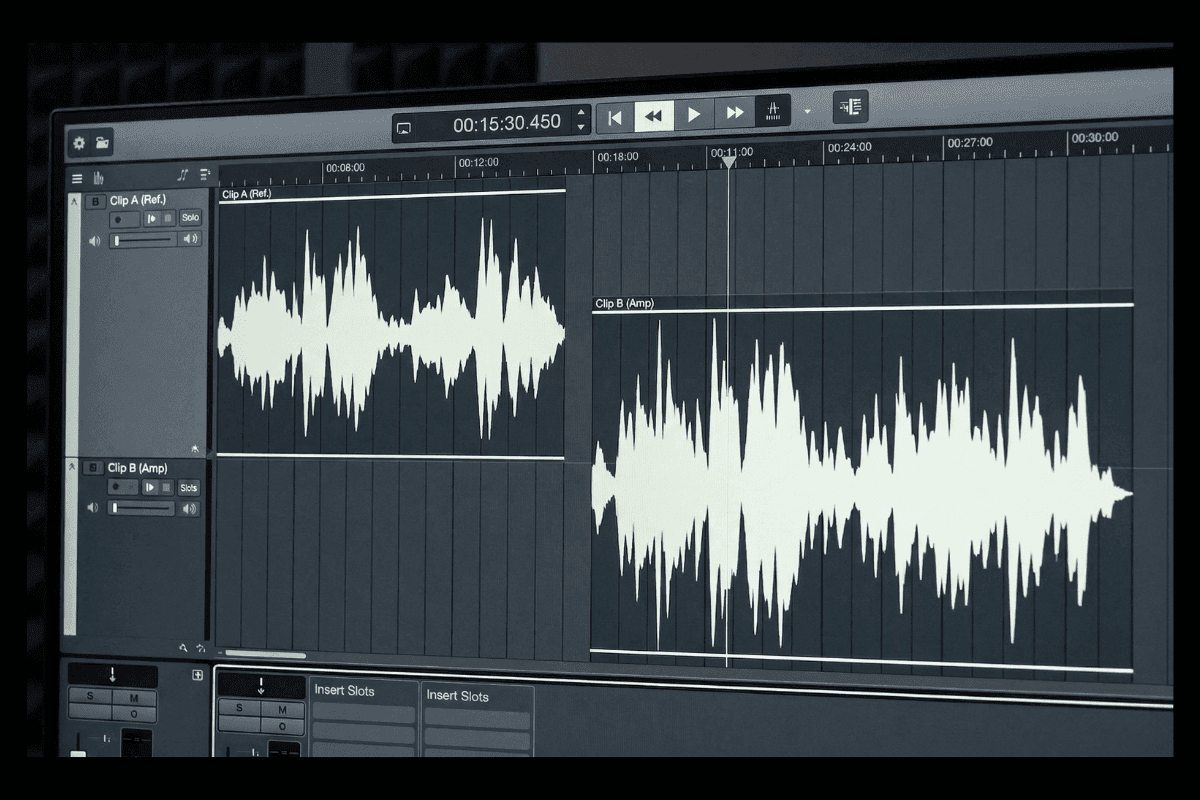
This is one of the most important habits in album mastering — and one of the most overlooked.
When you master every track in the same session, you hear them back-to-back. You can compare how each one sits relative to the others. You can adjust the gaps between songs. You can ensure tone and volume stay consistent across the full project.
Mastering tracks separately, on different days, with no direct comparison? That's how albums end up sounding disjointed. Do it all in one sitting.
Not sure where to begin with your mastering session setup? This mastering chain guide walks you through it.
Pro Tip: Keep one or two reference tracks nearby while you work. Comparing your album to polished songs in a similar style can help you make better decisions around tonal balance, loudness, and overall cohesion.
2. Go Pro If You Can Afford the Wait

If your album is a serious creative investment, a professional mastering engineer is worth considering.
A good engineer brings a calibrated listening room, high-end speakers, and years of trained ears. They hear things you've gone deaf to after months in production. They bring objectivity. No emotional attachment to the songs, just focus on how the album sounds as a whole.
The problem is everything that comes with it.
A reputable engineer can cost $50–$300 per track. For a ten-track album, that's thousands of dollars upfront. And that's assuming you can even get one — good engineers are booked weeks out. You send your files and wait. Revisions mean more waiting. Release dates slip. Momentum fades.
3. The Smarter Middle Ground
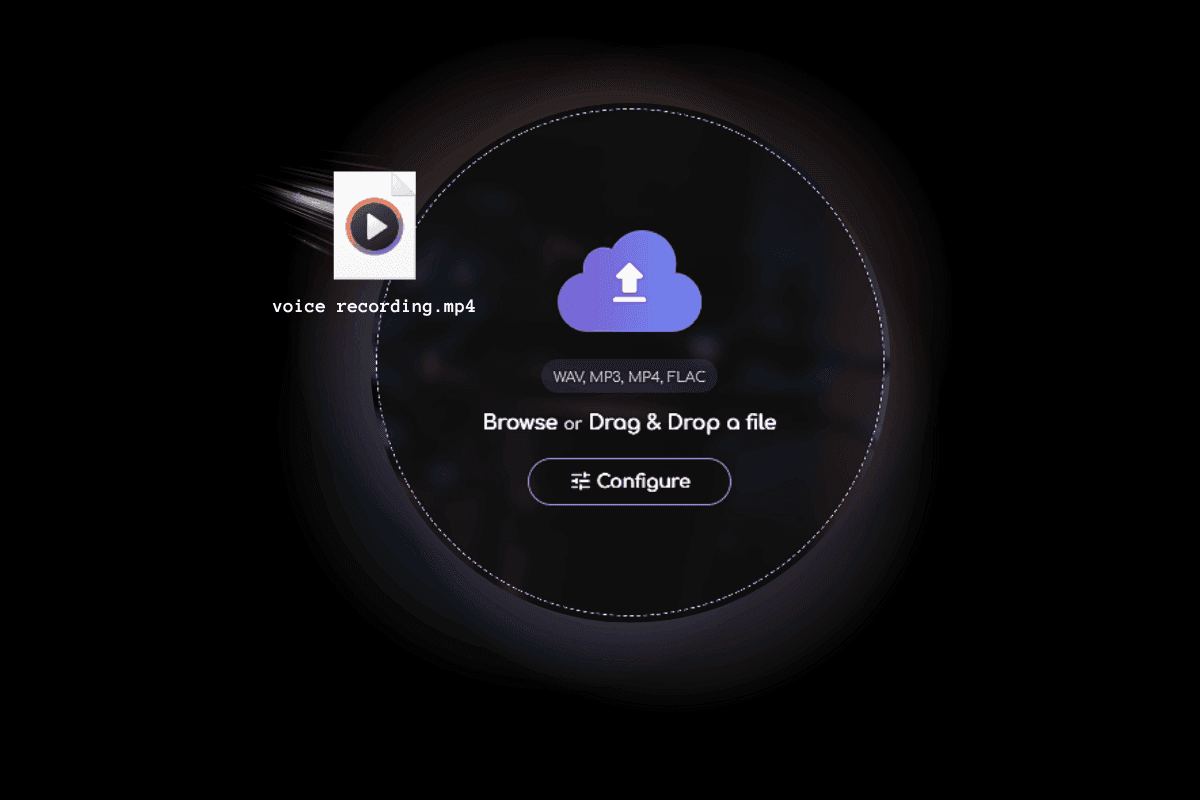
AI mastering has come a long way — and for independent artists working with tight budgets or real release deadlines, it's become a genuinely practical option. Remasterify is one of the better examples of how streamlined this process has become.
The workflow takes about a minute. Upload your track, let the AI analyze its genre and dynamics, and it handles the EQ and loudness decisions automatically — targeting -14 LUFS for streaming, or whatever platform you're releasing on. You get a preview before you commit to downloading anything.
What makes it work well for albums specifically is that you go track by track, which means you're making conscious decisions for each song rather than applying a blanket treatment. Some tracks naturally need a little more or less of something — this gives you that control without it becoming technical or overwhelming.
Once every track is done, play them back in sequence. That's where you'll hear whether the album holds together. And that's ultimately the whole point.
You can preview your master for free before you pay a thing. And if you like what you hear, the unlimited plan runs $5.83 a month, less than what a professional engineer charges for a single song.
How to Know If Your Album Is Mastered Well?
Before you release, run through this checklist.
- No track feels noticeably louder or quieter than the others
- The tonal balance remains consistent across songs
- The album translates well on headphones, speakers, and car systems
- Transitions between tracks feel intentional
- The dynamics are preserved — loud sections still hit; quieter sections still breathe.
If you check all five boxes, your album is ready.
Master your first track free — no card, no commitment.
Upload it to Remasterify and hear the difference before you decide anything.